Amerikai UGV fejlesztések (USA)

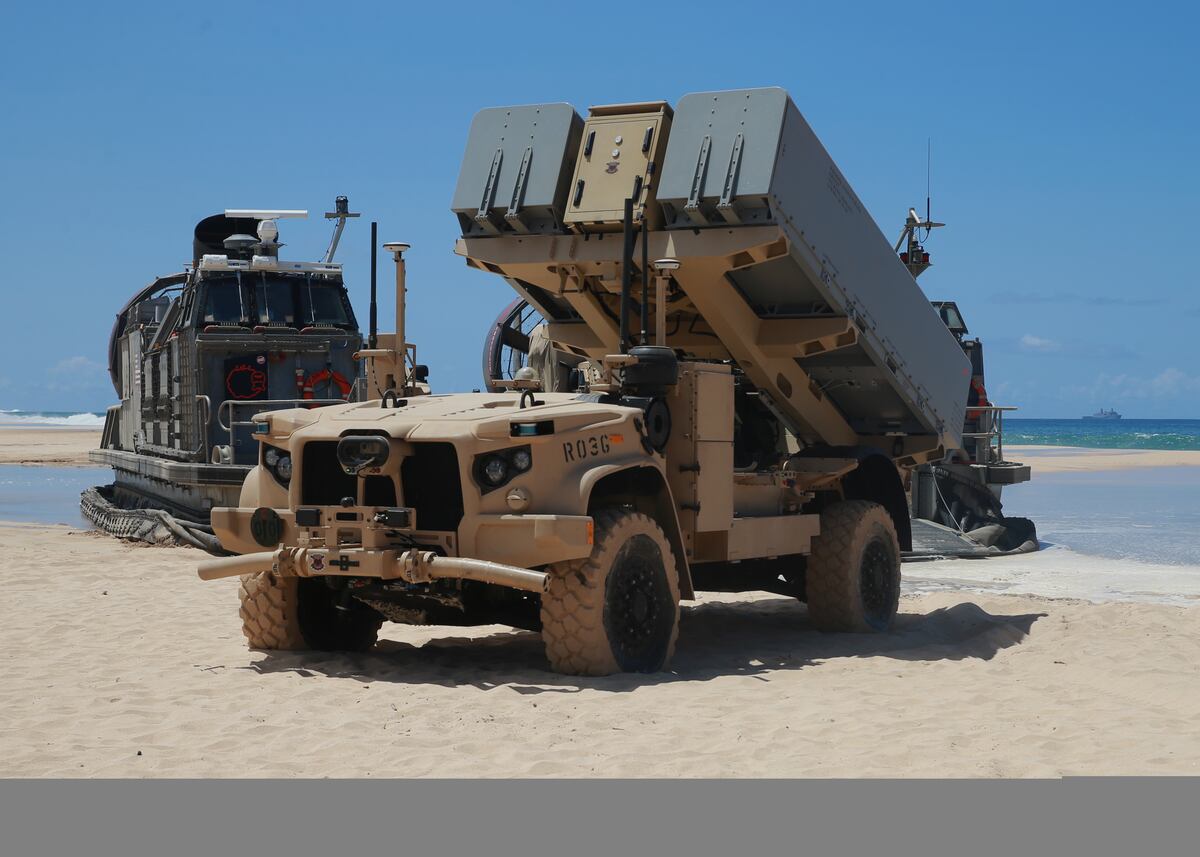
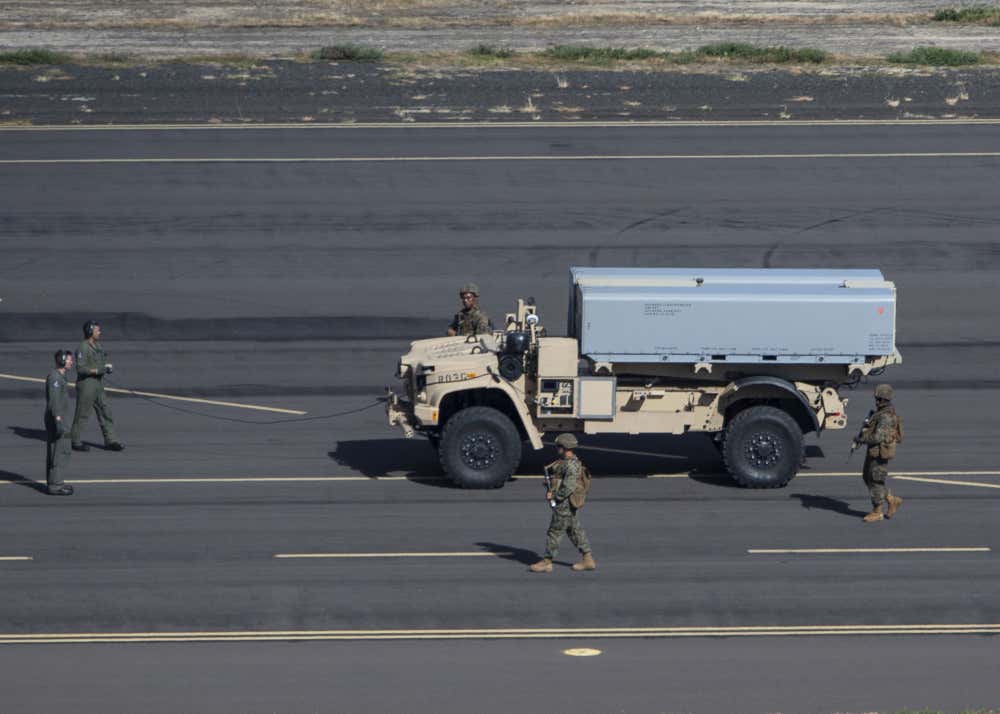
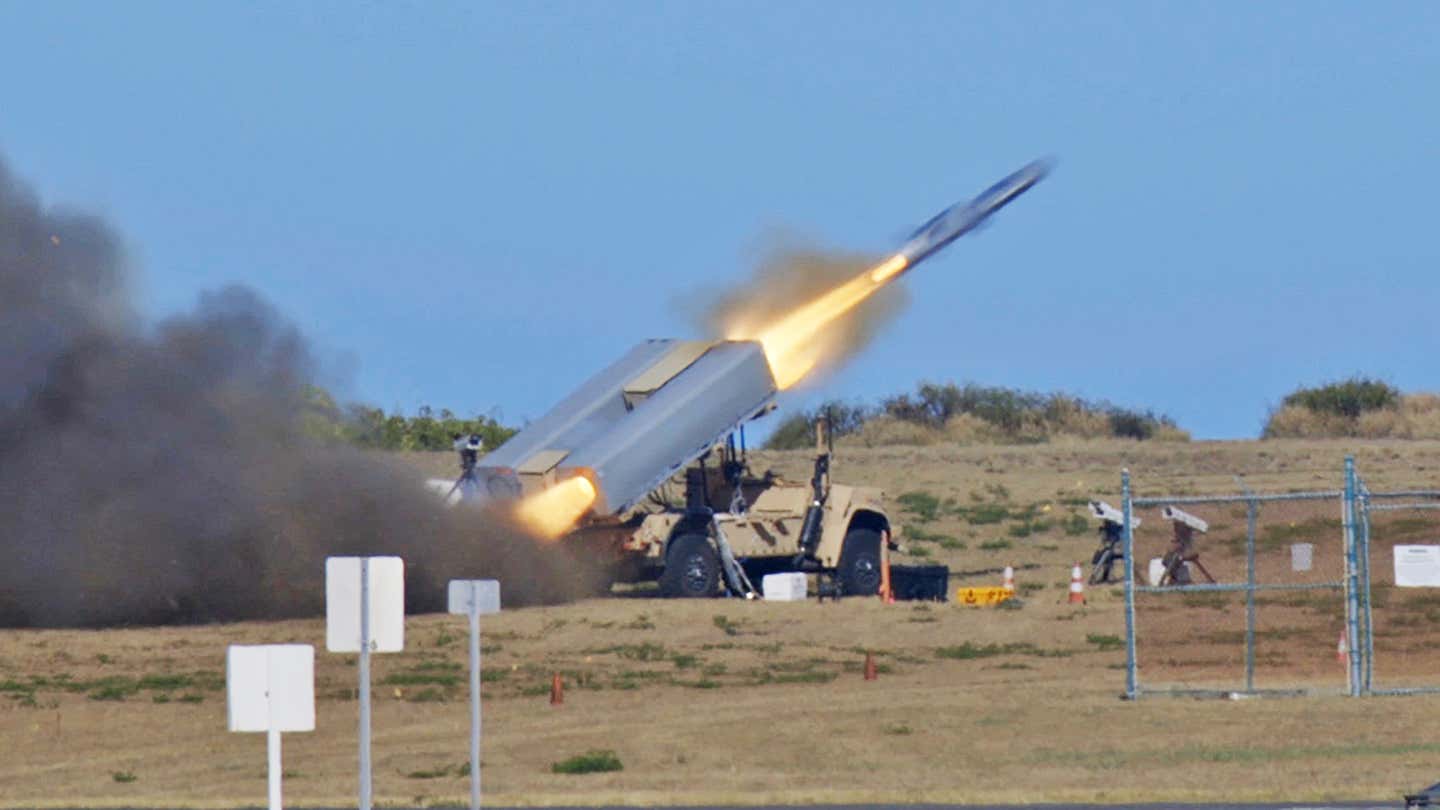
NMESIS

message-editor%2F1629273897416-41414.jpeg

message-editor%2F1629273927591-3141.jpeg

message-editor%2F1629273593268-nsmlaunch.jpg

Haditengerészeti csapásmérő rakéta: 1,65 millió dolláros rakéta.

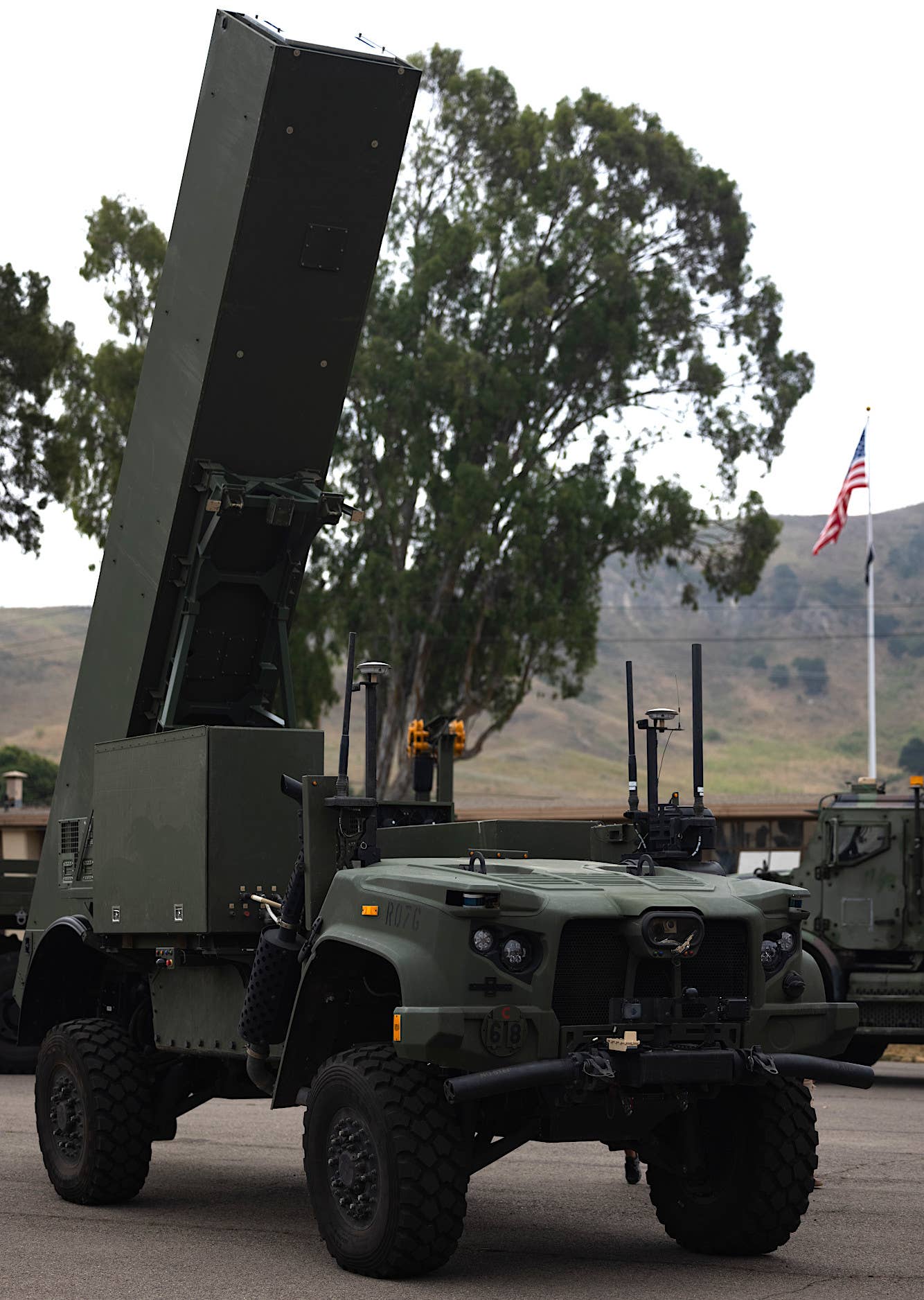
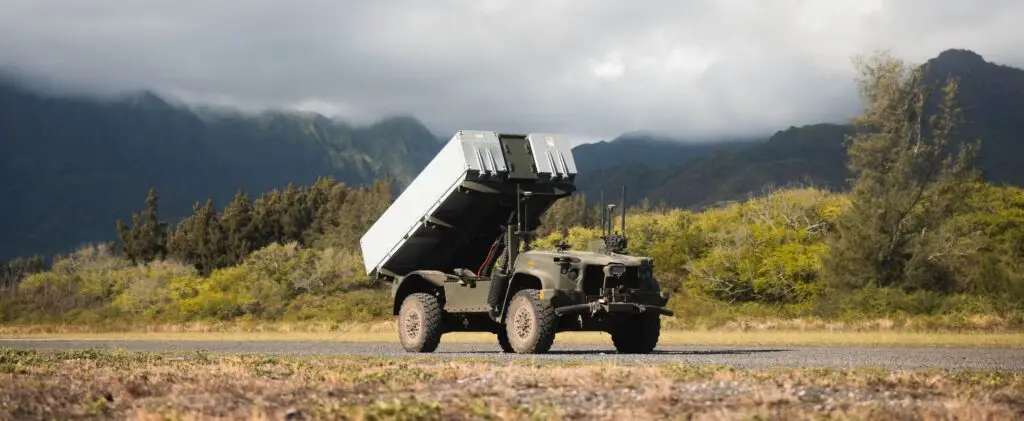
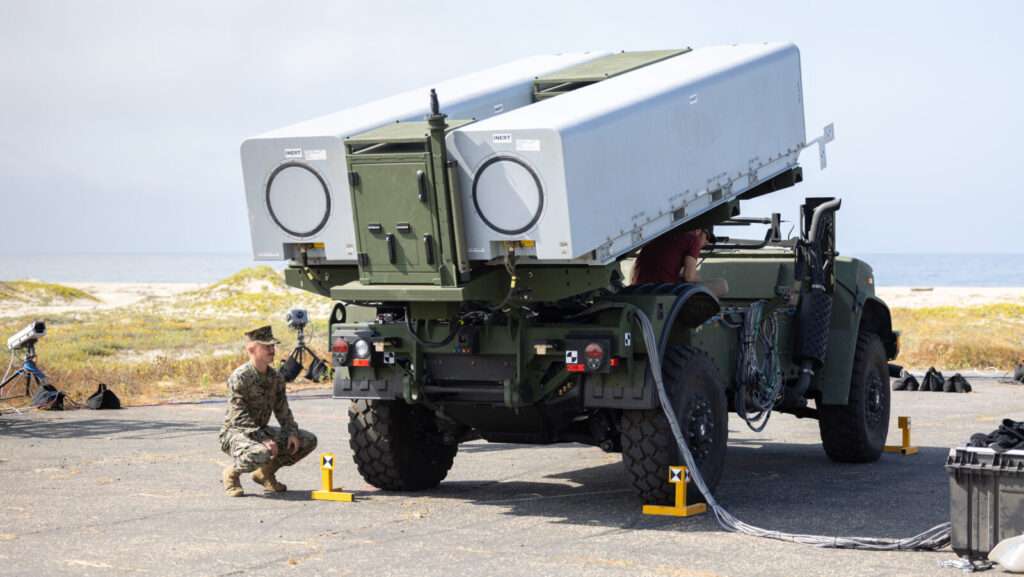
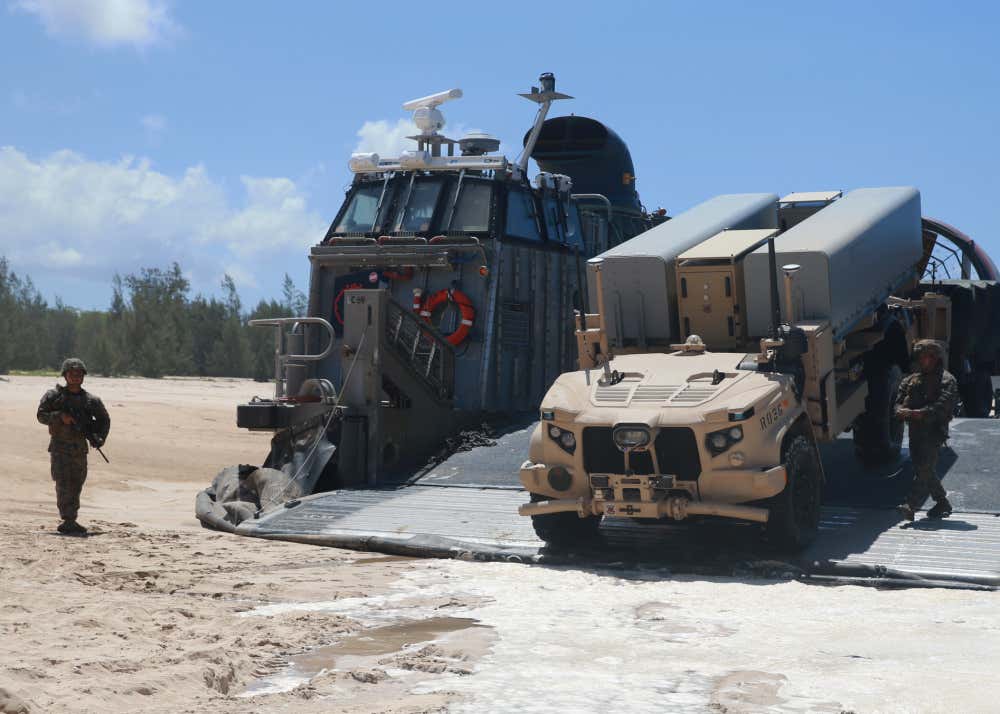
Az amerikai tengerészgyalogság sürgős műveleti igényének részeként az amerikai Raytheon Technologies és a norvég KDA (Kongsberg Defence & Aerospace) konzorciuma 2019. május 7-én 47,59 millió dollárért kapott megbízást. A NMESIS (Navy Marine Expeditionary Ship Interdiction System) ROGUE Fires (Remotely Operated Ground Unit for Expeditionary) pilóta nélküli cirkálórakétákra (NSM) egy Oshkosh JLTV (Joint Light Tactical Vehicle) páncélozott jármű alvázán.


Fotó © US Navy

A 2022f. évi költségvetési tervezetben. Az USMC
64 NSM CR-re vonatkozó igényt jelentett be, hogy folytassák tesztelésüket és integrálásukat az USMC expedíciós hadosztály-szervezetének jóváhagyása részeként. Ha a megvásárlásra kért összeget elosztjuk 64-gyel, akkor a jelenlegi konfigurációban az egységenkénti ár 1,65 millió dollár - ez ugyan valamivel több, mint a korábban empirikusan kiszámított másfél millió, de még így is elég pontos.

2030-ra az ILC-nek 14 új, nagy pontosságú NMESIS csapásmérő ütegre lesz szüksége, 252 személyzet nélküli ROGUE hordozórakétával és legalább 504 NSM CR-vel. A tervek szerint a korábban az ILC által beszerzett szabványos JLTV járműveket alakítják át indítójárművekké.

Colonelcassad
 
  • Tetszik
Reactions: Pogány
To view this content we will need your consent to set third party cookies.
For more detailed information, see our cookies page.
 
  • Hűha
Reactions: Nemerson
Textron partners with dual-use AI company for UGV demonstration...

Although both companies have contracts on the UGV US Army programme Robotic Combat Vehicle (RCV), this integration effort is totally separate and will produce a new technology for customers with greater autonomy than waypoint navigation, said Don Burnette, Kodiak's co-founder and CEO, while speaking with Janes ahead of the announcement.

 
USMC to add upgraded autonomy navigation suite into ROGUE Fires program

The ROGUE Fires design removes the cab of the Oshkosh-made Joint Light Tactical Vehicle and tacks on a missile launcher that can be remotely fired. The Marine Corps paired the ROGUE Fires system with the Naval Strike Missile to create the Navy/Marine Expeditionary Ship Interdiction System, or NMESIS.

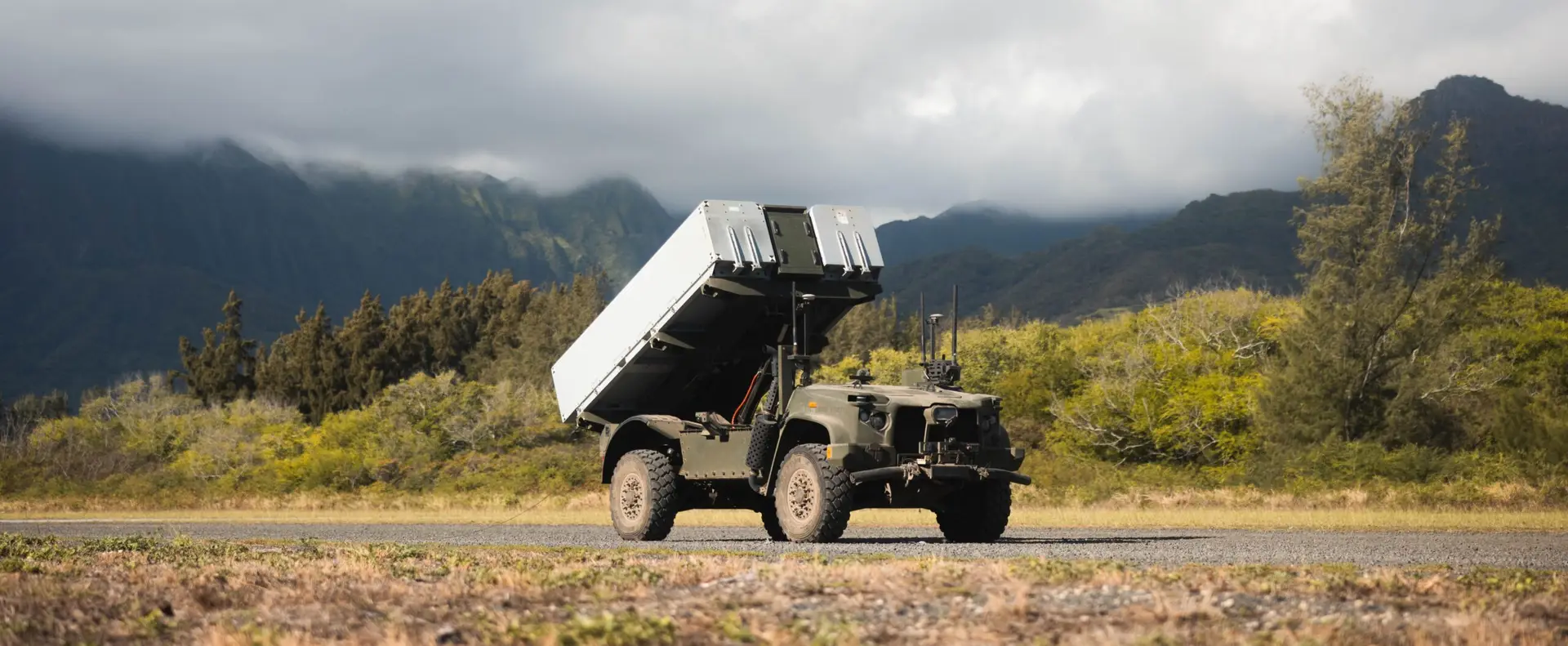
ROGUE Fires : Remotely Operated Ground Unit for Expeditionary Fires


ROGUE-Fires_DVIDS_10-2024-2-1024x421.webp


  • Tetszik
Reactions: endre
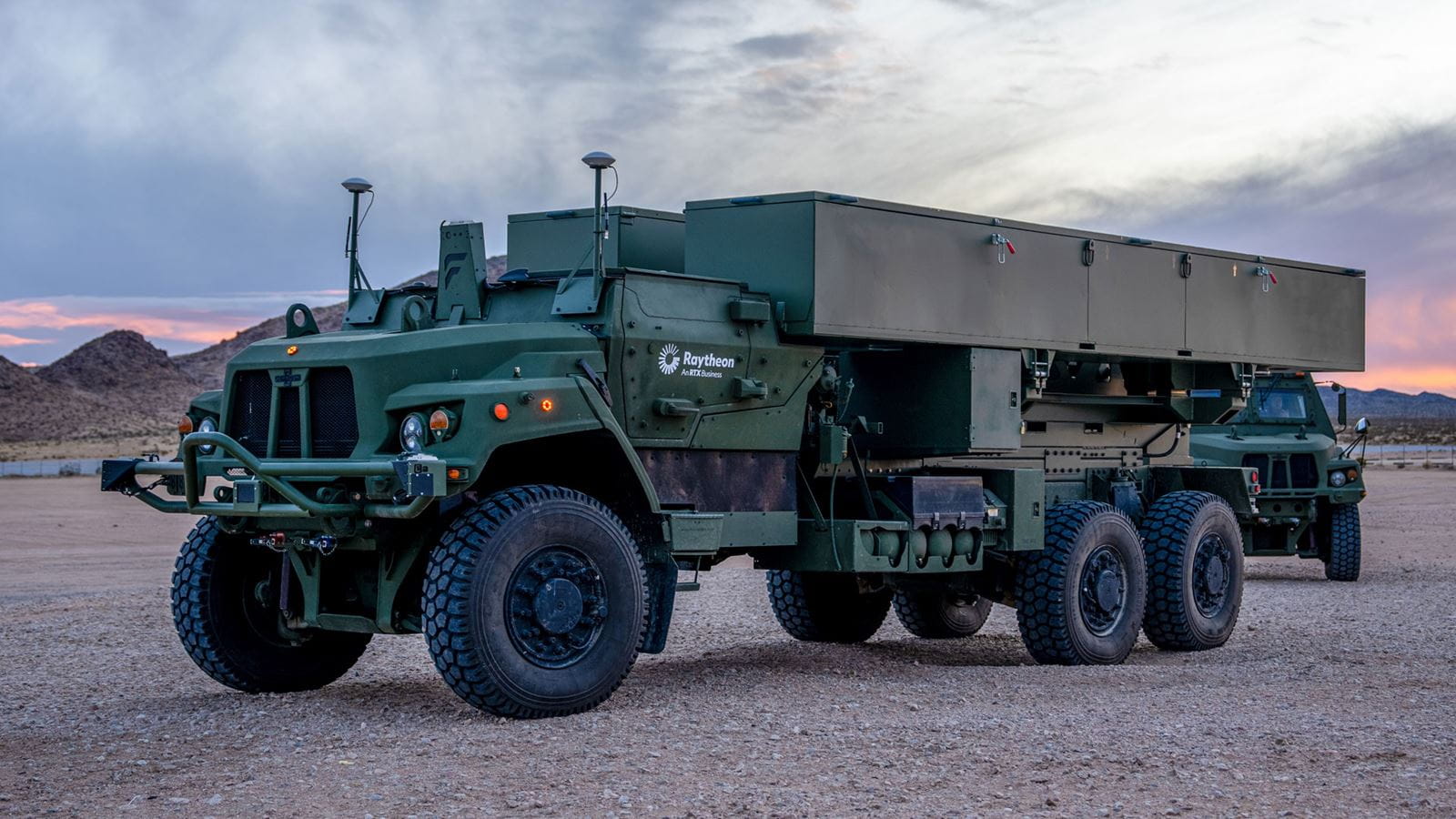
DeepStrike autonomous mobile launcher vehicle

Raytheon, Forterra, Oshkosh Defense and Ursa Major conduct successful autonomous launcher demonstration for U.S. Army

unmanned-launcher.jpg


  • Tetszik
Reactions: endre
„A Tengerészgyalogság arra a következtetésre jutott, hogy az LRF rendszer nem alkalmazható szigorú, expedíciós, part menti környezetben, és úgy döntött, hogy leállítja a programot”

The underlying vehicle used for the LRF launcher is the Remotely Operated Ground Unit for Expeditionary Fires (ROGUE-Fires), an uncrewed derivative of the 4×4 Joint Light Tactical Vehicle (JLTV). The Marines are continuing to field the Navy and Marine Corps Expeditionary Ship Interdiction System (NMESIS), which also uses ROGUE-Fires-based launchers, but to fire the smaller Naval Strike Missile (NSM) anti-ship cruise missiles.

It is worth noting that the LRF launcher vehicle could only carry one Tomahawk at a time before needing to be reloaded, which may have presented complications in an expeditionary environment. The Marines have publicly highlighted in the past potential challenges when it comes to reloading NMESIS launchers, which can accommodate two NSMs at once, in the field.

 
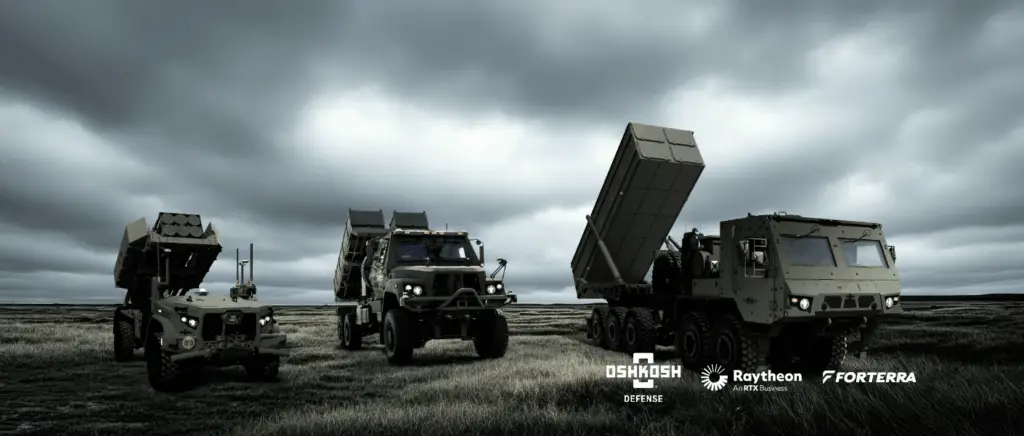
Oshkosh Defense Introduces the Family of Multi-Mission Autonomous Vehicles (FMAV) at AUSA 2025...

At AUSA, Oshkosh will showcase three production-ready variants from its FMAV portfolio:

Extreme Multi-Mission Autonomous Vehicle (X-MAV): The Oshkosh X-MAV is a purpose-built, autonomous-capable launcher solution that is engineered to support the future of long-range munitions. With a robust chassis for the heaviest payloads, proven off-road mobility, and integrated onboard vehicle power, it’s the ideal foundation to support the Common Autonomous Multi-Domain Launcher Heavy (CAML-H) program for multi-domain missions and formations. The X-MAV will be displayed for the first time with four Tomahawk Land Attack Missiles.

Medium Multi-Mission Autonomous Vehicle (M-MAV): Derived from the Oshkosh FMTV A2, the M-MAV delivers an integrated, forward-looking solution to the U.S. Army’s most pressing challenges. Purpose-built for optionally manned or fully autonomous launcher operations, M-MAV delivers advanced navigation, remote operation, and automated resupply capabilities to increase survivability, reduce crew burden, and enable dispersed, resilient fires formations. The M-MAV will be equipped with the Multiple Launch Rocket System (MLRS) Family of Munitions (MFOM).

Light Multi-Mission Autonomous Vehicle (L-MAV): Evolved from the U.S. Marine Corps ROGUE-Fires, the L-MAV is a proven, production-ready autonomous carrier. Its modular design allows rapid configuration for missions such as counter-unmanned aerial systems (C-UAS), electronic warfare, or resupply, enabling immediate operational readiness across formations. The L-MAV will showcase the AeroVironment Switchblade 600 Loitering Munition and Titan C-UAS.


THE-BATTLEFIELD-OF-THE-FUTURE-IS-NOW.-7-1-1024x436.webp

 
  • Tetszik
Reactions: endre
  • Tetszik
Reactions: endre