

Repülőgépmúzeumok külföldön
- Téma indítója Terminator
- Indítva
You are using an out of date browser. It may not display this or other websites correctly.
You should upgrade or use an alternative browser.
You should upgrade or use an alternative browser.


The Museum of Flight... (Seattle)
Join us Saturday, June 21, for the world premiere of The MiG-21 Project, South African artist Ralph Ziman’s 5-year, multidisciplinary project transforming a decommissioned Cold War-era, Soviet-designed MiG-21 fighter jet into a stunning work of art entirely covered in tens of millions of colorful glass beads.
Join us Saturday, June 21, for the world premiere of The MiG-21 Project, South African artist Ralph Ziman’s 5-year, multidisciplinary project transforming a decommissioned Cold War-era, Soviet-designed MiG-21 fighter jet into a stunning work of art entirely covered in tens of millions of colorful glass beads.


Valaki volt már a Bécsújhelyi repülőmúzeumban? Megéri elmenni, ha arra jár az ember?
Megéri. A Messzerért érdemes (egyébként itthon rakták össze egy részét). Anno az idős bácsi (jegyszedő/guide/múzeumigazgató/alapítványi kurátor egy személyben) még engedte is hogy beüljek, érdemes bepróbálkozni.
Amúgy egy kis cuki múzeum, mondjuk mint a szolnoki belső részének fele. Van egy-két olyan baromi ritka repmotor amit kb. sehol máshol nem látsz, Jumo 213E meg DB 603L meg ilyenek.
A contract has been signed for the adaptation of the existing building of the Yugoslav Aviation Museum and the construction of new hangars in its yard.
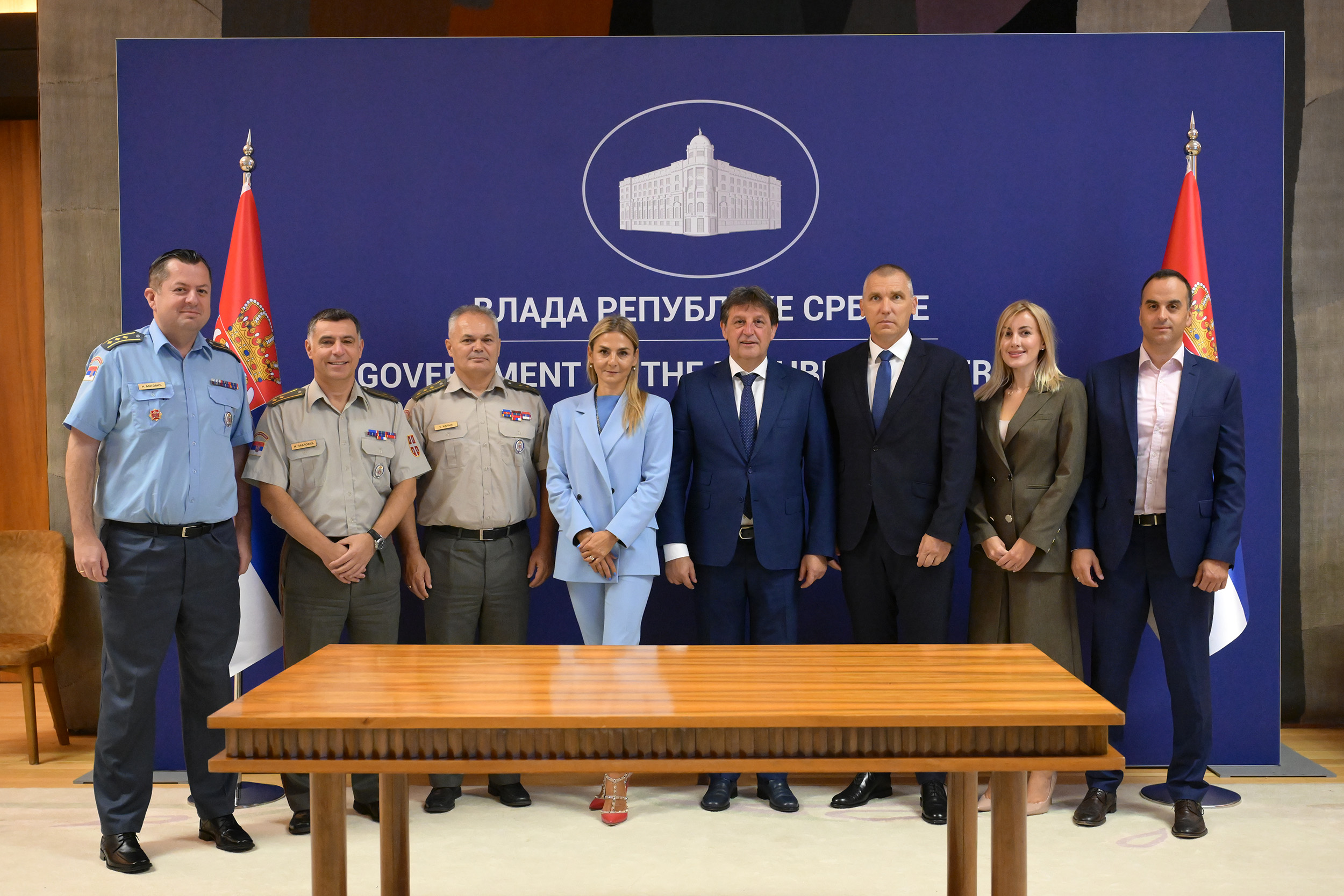
 tangosix.rs

[POSLEDNJA VEST] Potpisan ugovor o adaptaciji postojeće zgrade Muzeja jugoslovenskog vazduhoplovstva i izgradnji novih hangara u njegovom dvorištu - Tango Six
Prvi korak konkretizacije budućeg plana revitalizacije Muzeja jugoslovenskog vazduhoplovstva napravljen je danas. Kako je saopštilo Ministarstvo odbrane, potpisan je Ugovor...
A két lelkes amatőr angol úrnak még mindig elkerülte a figyelmét a 109-es kabinjában baloldalt egy nagy piros kar és felette a KABINENABWURF felirat (idegen nyelveket tanulni hasznos), de azért lelkesen tárgyalják hogy milyen nehéz is volt kinyitni, bezzeg az angol vadászoknak csak hátra kellett tolni a plexit kiugrás előtt (ez egyébként nem igazán működött a szívóerőkkel szemben, úgyhogy később rendszeresítettek egy NAGY PIROS GUMIGOLYÓT amivel úgy emlékszem legalábbis rángatni lehetett).
Pedig ez már a 40-es években más angol uraknak is feltűnt, egyébként a kilátást akkor még nem szídták különösebben:
2. View. – Fig. 4 shows the general windscreen layout. The flat front panel is inclined at about 55 deg. to the horizontal when the aircraft is in flying attitude ; the large corner panels are also flat, in contrast to the curved panels of the Spitfire and Hurricane. The port corner panel is divided into two parts vertically, and the forward portion hinges inward about its leading edge, forming a direct vision opening about 9 in. high by 3 in. wide at the top and 6 in. wide at the bottom; this opening is inclined at 26 deg. to the direction of flight so that the width of forward vision is about 2 in.
The cockpit hood does not slide back. It is hinged at the starboard side for entry and exit, and cannot thus be opened in flight. Sliding windows are fitted, one in each side panel of the hood. The hood jettisoning arrangements for emergency exit are interesting. The hood is spring loaded, and on pushing the jettison lever the whole of the hood and the wireless mast behind it are flung clear backwards.
The view forward when taxying is very bad, partly owing to the high ground attitude of the aircraft, and partly because the hood cannot be slid back to enable the pilot to look round the edge of the windscreen.
When in flight, the view forward and sideways is normal, being similar to the Hurricane; the windscreen framework members are sufficiently narrow, and do not catch the pilot's eye nor create blind spots. Sideways and rearwards the view is about the same as the Spitfire and Hurricane, but the cramped position of the pilot in the cockpit makes it difficult to look downward or upward to the rear, and the tailplane can only be seen with an effort.
The direct vision opening gives a large field of view and is completely draught free at all speeds. A high speed can thus be maintained in'bad weather conditions, whereas on the Humcane or Spitfire the pilot must slide back the hood and look round the edge of the windscreen to obtain a view-forward in rain or cloud, and can only do this by flying at fairly low speed. The direct vision opening also assists landing, as the high position of the nose obstructs the view forward during the hold off, and the opening is in the correct position to give a view of the ground. The direct vision opening obviously satisfies a very real need, for the early Me.109s were not fitted with this device. The windscreen panels are clear and free from distortion, and do not oil up in flight. The hood sliding panels are difficult to open, particularly at high speeds.
Nem kell nagy logika, fizikai tudás hozzá, hogy X-G erőnél az oldalra nyíló cuccot nehezebb lesz kinyitni, mintA két lelkes amatőr angol úrnak még mindig elkerülte a figyelmét a 109-es kabinjában baloldalt egy nagy piros kar és felette a KABINENABWURF felirat (idegen nyelveket tanulni hasznos), de azért lelkesen tárgyalják hogy milyen nehéz is volt kinyitni, bezzeg az angol vadászoknak csak hátra kellett tolni a plexit kiugrás előtt (ez egyébként nem igazán működött a szívóerőkkel szemben, úgyhogy később rendszeresítettek egy NAGY PIROS GUMIGOLYÓT amivel úgy emlékszem legalábbis rángatni lehetett).
Pedig ez már a 40-es években más angol uraknak is feltűnt, egyébként a kilátást akkor még nem szídták különösebben:
2. View. – Fig. 4 shows the general windscreen layout. The flat front panel is inclined at about 55 deg. to the horizontal when the aircraft is in flying attitude ; the large corner panels are also flat, in contrast to the curved panels of the Spitfire and Hurricane. The port corner panel is divided into two parts vertically, and the forward portion hinges inward about its leading edge, forming a direct vision opening about 9 in. high by 3 in. wide at the top and 6 in. wide at the bottom; this opening is inclined at 26 deg. to the direction of flight so that the width of forward vision is about 2 in.
The cockpit hood does not slide back. It is hinged at the starboard side for entry and exit, and cannot thus be opened in flight. Sliding windows are fitted, one in each side panel of the hood. The hood jettisoning arrangements for emergency exit are interesting. The hood is spring loaded, and on pushing the jettison lever the whole of the hood and the wireless mast behind it are flung clear backwards.
The view forward when taxying is very bad, partly owing to the high ground attitude of the aircraft, and partly because the hood cannot be slid back to enable the pilot to look round the edge of the windscreen.
When in flight, the view forward and sideways is normal, being similar to the Hurricane; the windscreen framework members are sufficiently narrow, and do not catch the pilot's eye nor create blind spots. Sideways and rearwards the view is about the same as the Spitfire and Hurricane, but the cramped position of the pilot in the cockpit makes it difficult to look downward or upward to the rear, and the tailplane can only be seen with an effort.
The direct vision opening gives a large field of view and is completely draught free at all speeds. A high speed can thus be maintained in'bad weather conditions, whereas on the Humcane or Spitfire the pilot must slide back the hood and look round the edge of the windscreen to obtain a view-forward in rain or cloud, and can only do this by flying at fairly low speed. The direct vision opening also assists landing, as the high position of the nose obstructs the view forward during the hold off, and the opening is in the correct position to give a view of the ground. The direct vision opening obviously satisfies a very real need, for the early Me.109s were not fitted with this device. The windscreen panels are clear and free from distortion, and do not oil up in flight. The hood sliding panels are difficult to open, particularly at high speeds.
csak hátratolni.
Szeretnél Te ilyen 'lelkes amatőr' lenni sztem.
Nem kell nagy logika, fizikai tudás hozzá, hogy X-G erőnél az oldalra nyíló cuccot nehezebb lesz kinyitni, mint
csak hátratolni.
Mint mondtam hasznos nyelveket tanulni. A 109-esben nem kellett kiugrás ókor oldalra nyitogatni a kabintetőt, mert az egész kabintetőt ledobta a pilóta egy kar meghúzásával.
Szeretnél Te ilyen 'lelkes amatőr' lenni sztem.
Messze felettük vagyok tudásban.

jajaja, biztos publikáltál már legalább ennyi könyvetMessze felettük vagyok tudásban.
Non-fiction for adults
- Holland, James (2003). Fortress Malta: An Island Under Siege 1940–43. London: Orion. ISBN 978-0752852881.
- — (2005). Together We Stand: North Africa 1942–1943, Turning the Tide in the West. London: HarperCollins. ISBN 978-0007176465.
- — (2006). Twenty-One: Coming of Age in the Second World War (retitled 'Heroes: The Greatest Generation and the Second World War' for paperback release). London: HarperCollins. ISBN 978-0007213801.
- — (2008). Italy's Sorrow: a Year of War, 1944–1945. London: Harper Press. ISBN 978-0007176441.
- — (2010). The Battle of Britain: Five Months That Changed History, May–October, 1940. London: Bantam Press. ISBN 978-0552156103.
- — (2013). Dam Busters: The True Story of the Inventors and Airmen Who Led the Devastating Raid to Smash the German Dams in 1943. London: Grove Press. ISBN 978-0802121691.
- — (2016). Burma '44: The Battle That Turned Britain's War in the East. London: Bantam Press. ISBN 978-0593075852.
- — (2018). Big Week: The Biggest Air Battle of World War Two. London: Bantam Press. ISBN 978-0593077979.
- — (2018). Royal Air Force, The Official Story. London: Welbeck. ISBN 978-0233005263.
- — (2019). Normandy '44: D-Day and the Battle for France. London: Bantam Press. ISBN 978-1787631274.
- — (2020). Sicily '43: The First Assault on Fortress Europe. London: Bantam Press. ISBN 978-1787632943.
- — (2021). Brothers in Arms: One Legendary Tank Regiment's Bloody War from D-Day to VE-Day. London: Bantam Press. ISBN 978-1787633940. This follows the Sherwood Rangers, a British tank regiment, throughout multiple battles.
- — (2023). The Savage Storm: The Battle for Italy 1943. London: Bantam Press. ISBN 978-1787636682.
- — (2024). Cassino '44: The Brutal Battle for Rome. London: Bantam Press. ISBN 978-0857505538.
The War in the West
- — (2015). The War in the West - A New History, Volume 1: Germany Ascendant 1939–1941. London: Corgi. ISBN 978-0552169202.
- — (2017). The War in the West - A New History, Volume 2: The Allies Fight Back 1941–1943. London: Corgi. ISBN 978-0802125606.
Co-written with Al Murray
- —; Murray, Al (2025). Victory '45 - The End of the War in Eight Surrenders. London: Bantam Press. ISBN 9780857507952.
Non-fiction for children
Ladybird Expert series
- Holland, James (1 June 2017). The Battle of Britain. illus. Keith Burns. London: Penguin Books. ISBN 978-0-7181-8629-6.
- — (22 March 2018). Blitzkrieg. illus. Keith Burns. London: Penguin. ISBN 978-0-7181-8630-2.
- — (22 March 2018). The Battle of the Atlantic. illus. Keith Burns. London: Penguin. ISBN 978-0-7181-8631-9.
- — (12 July 2018). The Desert War. illus. Keith Burns. London: Penguin. ISBN 978-0-7181-8650-0.
- — (1 November 2018). The Eastern Front 1941–1943. illus. Keith Burns. London: Penguin. ISBN 978-0-7181-8651-7.
- — (26 December 2019). The Pacific War 1941–1943. illus. Keith Burns. London: Penguin. ISBN 978-0-7181-8652-4.
- — (26 November 2020). The Bomber War. illus. Keith Burns. London: Penguin. ISBN 978-0-7181-8653-1.
- — (1 April 2021). The War in Italy. illus. Keith Burns. London: Penguin. ISBN 978-0-7181-8654-8.
Novels for adults
- Holland, James (2004). The Burning Blue. London: William Heinemann. ISBN 978-0434010158.
- — (2006). A Pair of Silver Wings. London: William Heinemann. ISBN 9780434010141.
- — (2024). Alvesdon. London: Penguin. ISBN 9781787636705.
Jack Tanner series
- — (2008). The Odin Mission. London: Bantam Press. ISBN 978-0593058343.
- — (2009). Darkest Hour. London: Bantam Press. ISBN 978-0593058367.
- — (2010). Blood of Honour. London: Bantam Press. ISBN 978-0593058381.
- — (2011). Hellfire. London: Bantam Press. ISBN 978-0593058404.
- — (2013). Devil's Pact. London: Bantam Press. ISBN 9780593061794.
Novels for young adults
- Holland, James (2011). Duty Calls: Dunkirk. London: Puffin. ISBN 978-0141332192.
- — (2012). Duty Calls: Battle of Britain. London: Puffin. ISBN 978-0141332208.
Vagy ennyi műsortjajaja, biztos publikáltál már legalább ennyi könyvet
Television broadcasts
- The End of the War in Europe, Victory in Europe (UKTV History, May 2005)
- Battle of Britain: The Real Story (BBC Two, September 2010)
- Dam Busters (BBC Two, 8 November 2011)
- Battle for Malta (BBC Two, 7 January 2013)
- War Heroes of the Skies (National Geographic Channel, August 2013)
- Cold War, Hot Jets (BBC Two, 8 November 2013)
- Normandy '44: The Battle Beyond D-Day (BBC Two, 6 June 2014)
- Nazi Megastructures – Episode: Hitler's Killer Subs (National Geographic, 2016)
- Hunting Hitler (History, 2015–2018)
- Pritzker Military Presents – Episode: 'The War in the West: The Rise of Germany, 1939 – 1941 (PBS, 2015)
- Pritzker Military Presents – Episode: The War in the West: The Allies Strike Back, 1941–1943 (PBS, 2017)
- Pritzker Military Presents – Episode: Big Week: The Biggest Air Battle of World War II (PBS, 2018)
- Imphal & Kohima: Britain's Greatest Battle (History Hit TV, 2018)
- Hitler's Circle of Evil – 5 Episodes (ZDF, 2018)
- Secrets of the Dead – Episode: World War Speed (Netflix, 2019)
- Greatest Events of WW2 in Color – Historian
- Hitler's Megafortresses (2019) ... Historian
- Hitler's Flying Forces (2019) ... Historian
- Hitler's Deadly Tanks (2019) ... Historian
- Hitler's War at Sea (2019) ... Historian
- Hitler's Henchmen (2019) ... Historian
- Battle for the Pacific (2019) ... Historian
- War on the Eastern Front (2019) ... Historian
- Nazi War Machines - secrets uncovered(2020)
- The Luftwaffe
- The Panzers
- The U-boats
- The Guns
- Normandy '44: D-Day and the Battle for France (2020) ... Historian
jajaja, biztos publikáltál már legalább ennyi könyvet
Sehol sem jegyzik komoly repülés történeti ezeket ahogy Hollandot sem, összeolvas pár könyvet teljesen más témákban Monte Cassinotól az angliai csatáig aztán évente összezanzál belőlük egy n+1-ik harmadlagos forrást és mehet a boltokba. Komoly kutatás vagy forráskritika nincs mögötte.
A nagyközönség igényeit kielégíti, meg mehet a Hitlerchanneleken is.
Ezt úgy hívják angol nyelvterületen hogy serial author. Magyar megfelelője kb. Földi Pál és könyvei.
Megsúgom, átlag fél évente kapok én is ilyen felhívást hasonló népszerű angol kiadóktól hogy írják nekik valamit, nekik tulajdonképpen teljesen mindegy, hogy mit. Csak akar a fene. Ha megkeres egy színvonalas kutató annak persze szívesen segítek.
Jópofa, csak nem ért különösebben hozzá, amit az is mutat hogy odaáll a másik csókával arról elmélkedni hogy milyen nehéz volt elhagyni ezt vagy azt a gépet, miközben fingja nincs róla hogy valójában hogyan is működött az a gép, ezért is beszélnek össze annyi baromságot mindenről, amennyit..
Kinek, mi.Sehol sem jegyzik komoly repülés történeti ezeket ahogy Hollandot sem, összeolvas pár könyvet teljesen más témákban Monte Cassinotól az angliai csatáig aztán évente összezanzál belőlük egy n+1-ik harmadlagos forrást és mehet a boltokba. Komoly kutatás vagy forráskritika nincs mögötte.
A nagyközönség igényeit kielégíti, meg mehet a Hitlerchanneleken is.
Ezt úgy hívják angol nyelvterületen hogy serial author. Magyar megfelelője kb. Földi Pál és könyvei.
Megsúgom, átlag fél évente kapok én is ilyen felhívást hasonló népszerű angol kiadóktól hogy írják nekik valamit, nekik tulajdonképpen teljesen mindegy, hogy mit. Csak akar a fene. Ha megkeres egy színvonalas kutató annak persze szívesen segítek.
Jópofa, csak nem ért különösebben hozzá, amit az is mutat hogy odaáll a másik csókával arról elmélkedni hogy milyen nehéz volt elhagyni ezt vagy azt a gépet, miközben fingja nincs róla hogy valójában hogyan is működött az a gép, ezért is beszélnek össze annyi baromságot mindenről, amennyit..
Amiket olvastam tőle, tőlük, azokban tárgyi tévedés nem volt, stílusa tetszik, olvasmányos, történelmileg hiteles,
kellőképp humoros.
Gondolom végignézted a fenti videót (...), volt benne egyéb tévedés a nagy, piros gombon kívül?
Gondolom végignézted a fenti videót (...), volt benne egyéb tévedés a nagy, piros gombon kívül?
Egy perccel később már az öntöttvas Daimler motorról beszél… gondolom nem tűnt fel neki, hogy gyanúsan nem rozsdásodik.
Nnnna, és az öntöttvas Daimler motorral meg mi a bajodEgy perccel később már az öntöttvas Daimler motorról beszél…

Nnnna, és az öntöttvas Daimler motorral meg mi a bajod
Az hogy alumíniumöntvény a blokk meg a motor nagy része (ahogy egyébként minden akkori repülőgépmotor).
gondolom a dugattyúkra, tengelyre v mikre gondolAz hogy alumíniumöntvény a blokk meg a motor nagy része (ahogy egyébként minden akkori repülőgépmotor).
gondolom a dugattyúkra, tengelyre v mikre gondol
Az előbbi szintén alumínium ötvözet (itt van egy az asztalomon
 , a tengely meg kovácsolt acél, nem vas.
Na, tovább nem nézem asszem. Mondom, jópofák, nem rossz amit csinálnak populáris szinten és legalább van benne józan ész, a tényanyagot azért ne innen szedjük.