

Pershing-II MRBM Ballisztikus rakéta rendszer (USA)
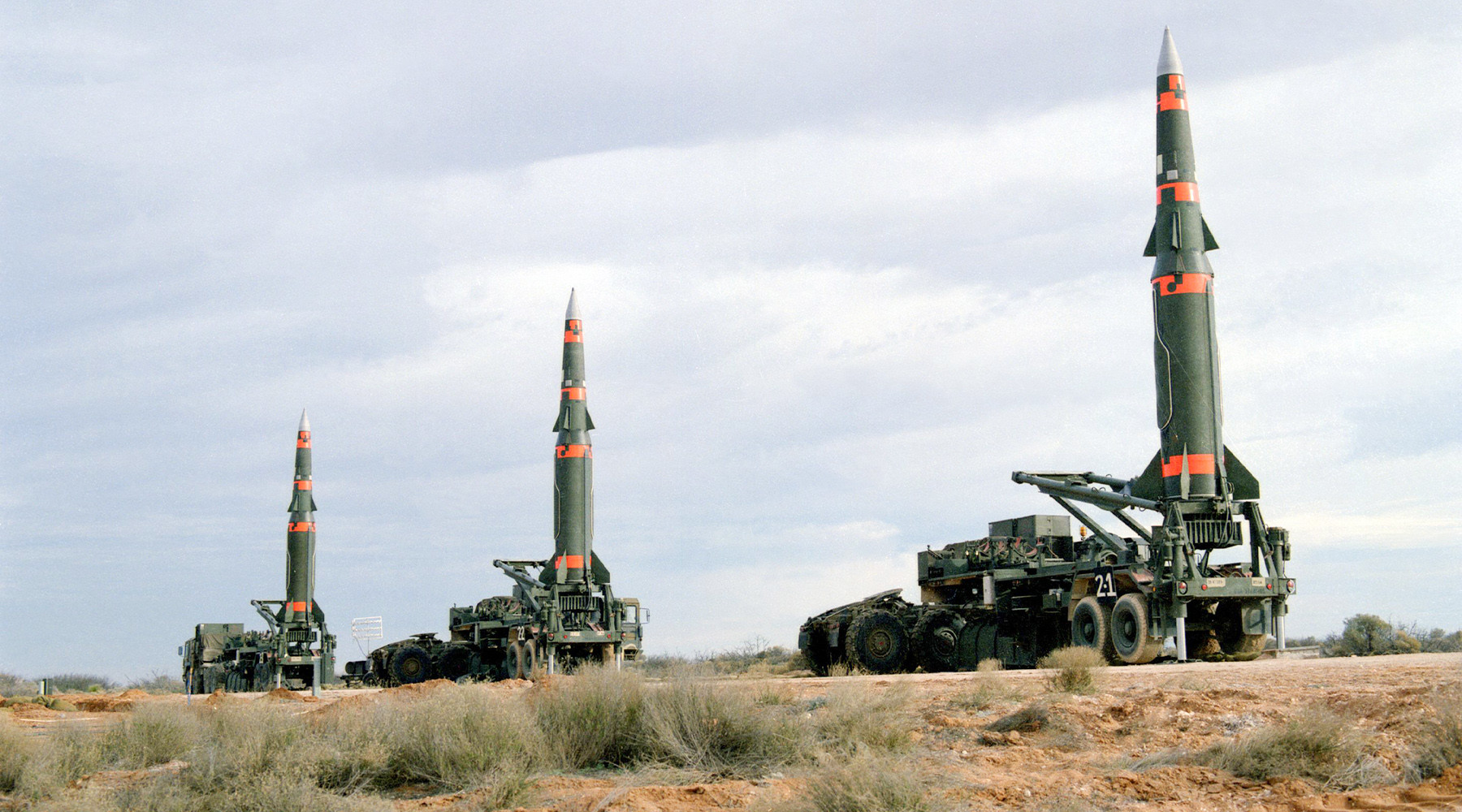

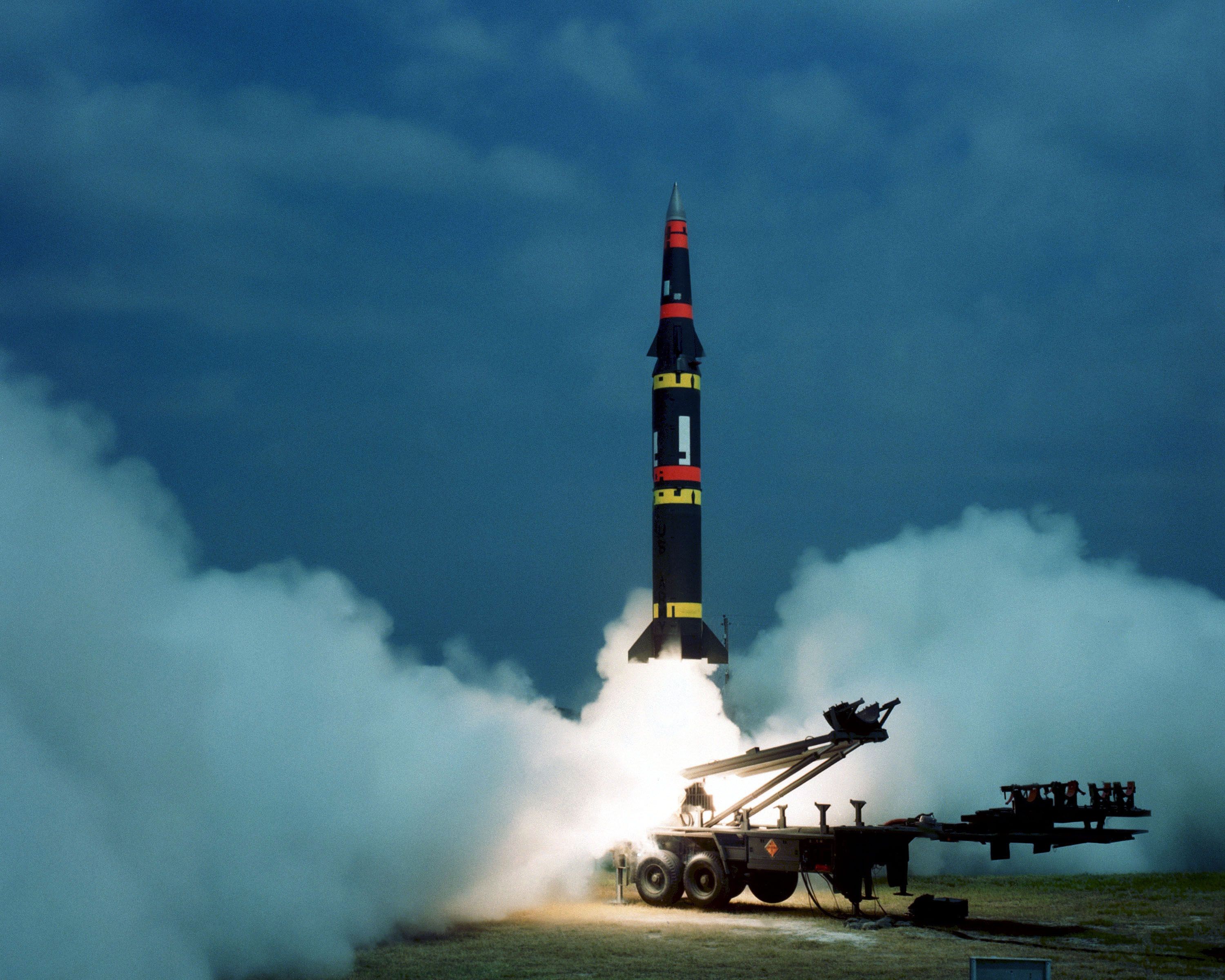


Találtam felvételt az indítasról;India test-flies Agni Prime ballistic missile...
‘Agni Prime’ ballistic missile successfully flight-tested by DRDO off Odisha coast
New Generation Ballistic Missile ‘Agni Prime’ was successfully flight-tested by Defence Research andpib.gov.in
Agni-P - Wikipedia
en.wikipedia.org



 Oreshnik: Hypersonic MRBM with a range of approximately 1,000–5,000 kmDongfeng-17 (DF-17): MRBM equipped with a hypersonic glide vehicle (HGV), Dongfeng-21 (DF-21): MRBM, 2,150 km Dongfeng-26 (DF-26): IRBM, 4,000 kmFatah-1: Hypersonic MRBM, 1,448 km Qadr-110: MRBM, 2,000 km Khorramshahr: MRBM, 2,000–3,000 km Shahab-3: MRBM, 2,000 km Sejjil (Ashoura): MRBM, 2,000–2,500 km Shahab-5: IRBM, allegedly 3,500–4,300 km Jericho 2: MRBM, 1,500–3,500 km Jericho 3: IRBM, 4,800–6,500 km Agni-Prime: MRBM with a range of 1,000–2,000 km Agni-II: MRBM with a range over 2,000 km Agni-III: IRBM with a range of 3,000–3,500 km Agni-IV: IRBM with a range of 4,000 km Under Consideration: Development of MRBMs is being considered by the French Armed Forces and the Directorate General of Armament. Existing Capability: M51 submarine-launched intercontinental ballistic missile (SLBM) with a range of 11,000 kmExisting Capability: Lockheed Martin Trident II D5 SLBM with a range of 7,408 km, deployed by the Royal Navy.Existing Capabilities: Boeing LGM-30G Minuteman III: ICBM with a range of 13,000 km. Lockheed Martin Trident II D5: SLBM with a range of 7,408 km. In Development: LGM-35A Sentinel ICBM, intended to replace the Minuteman III
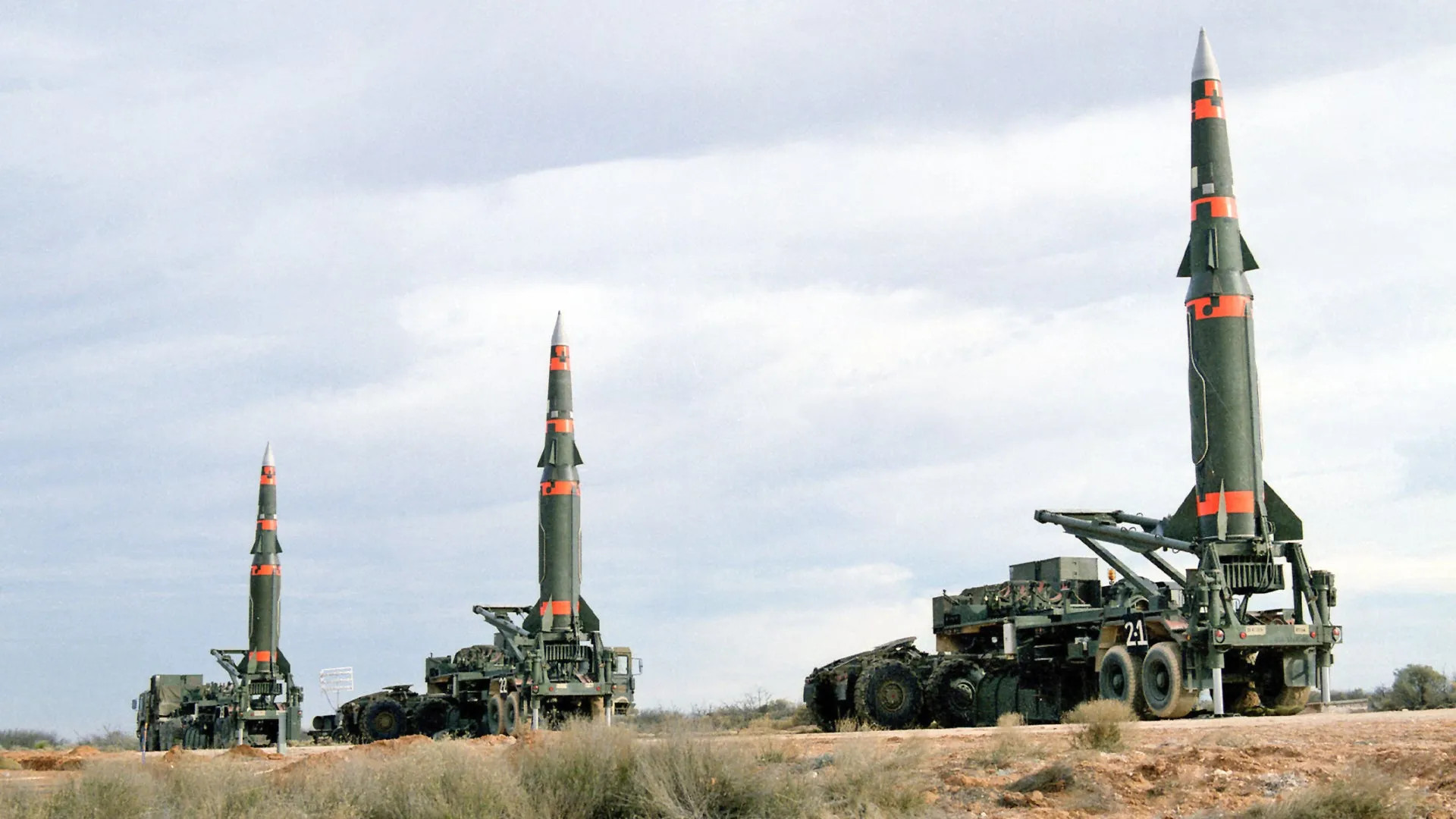
 www.twz.com

A működés biztosítása érdekében a fórum alapvető, illetve opcionális sütiket használ..


