Kísérleti repülőgépek, prototípusok

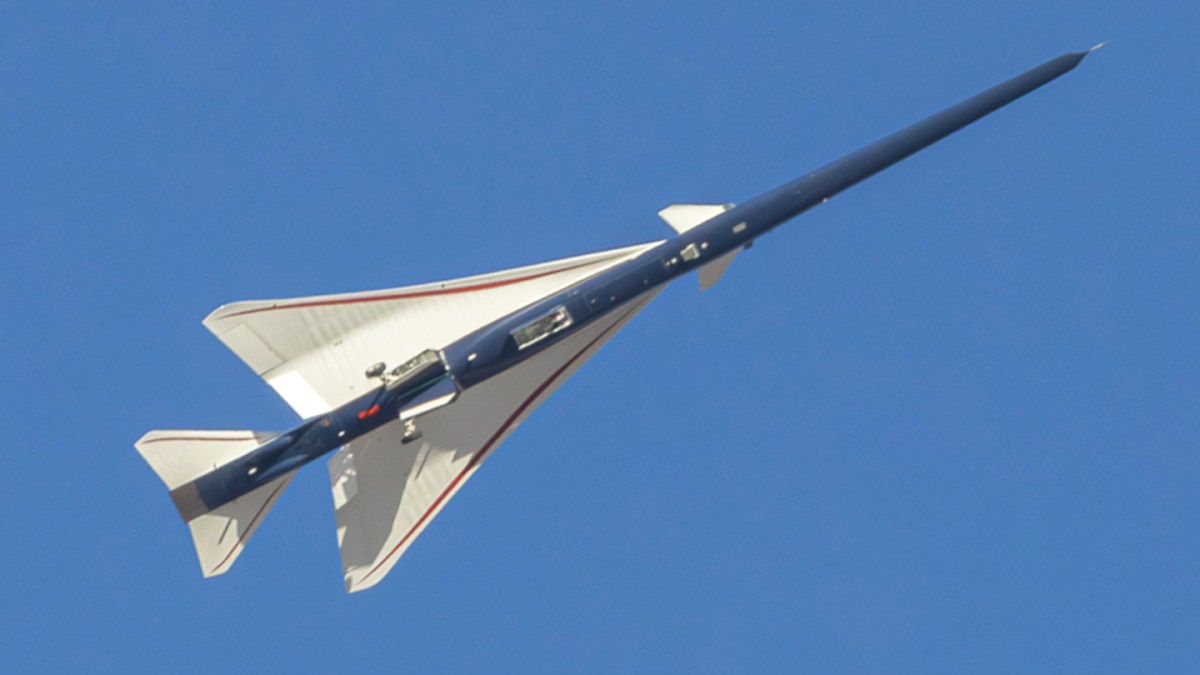
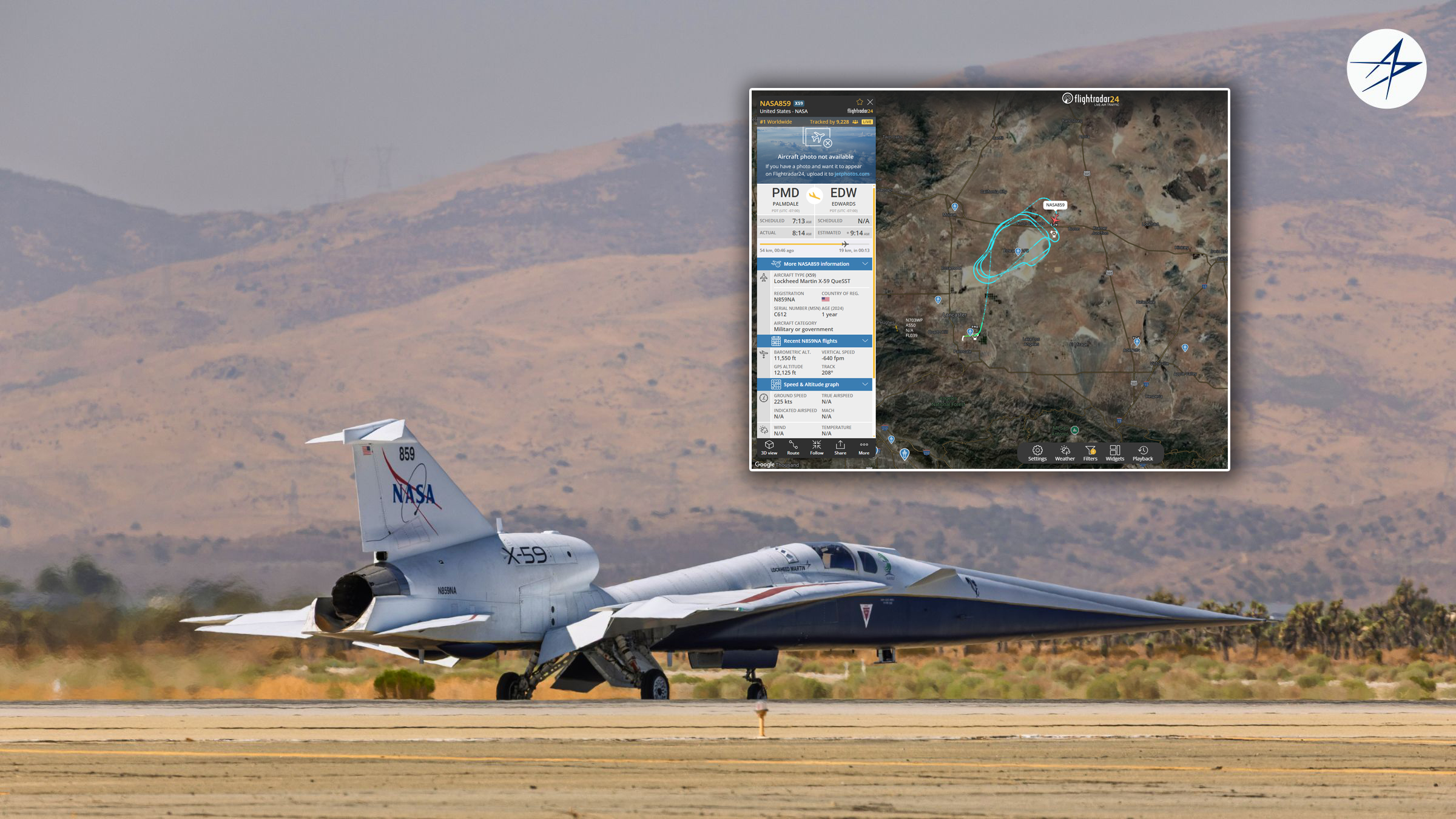
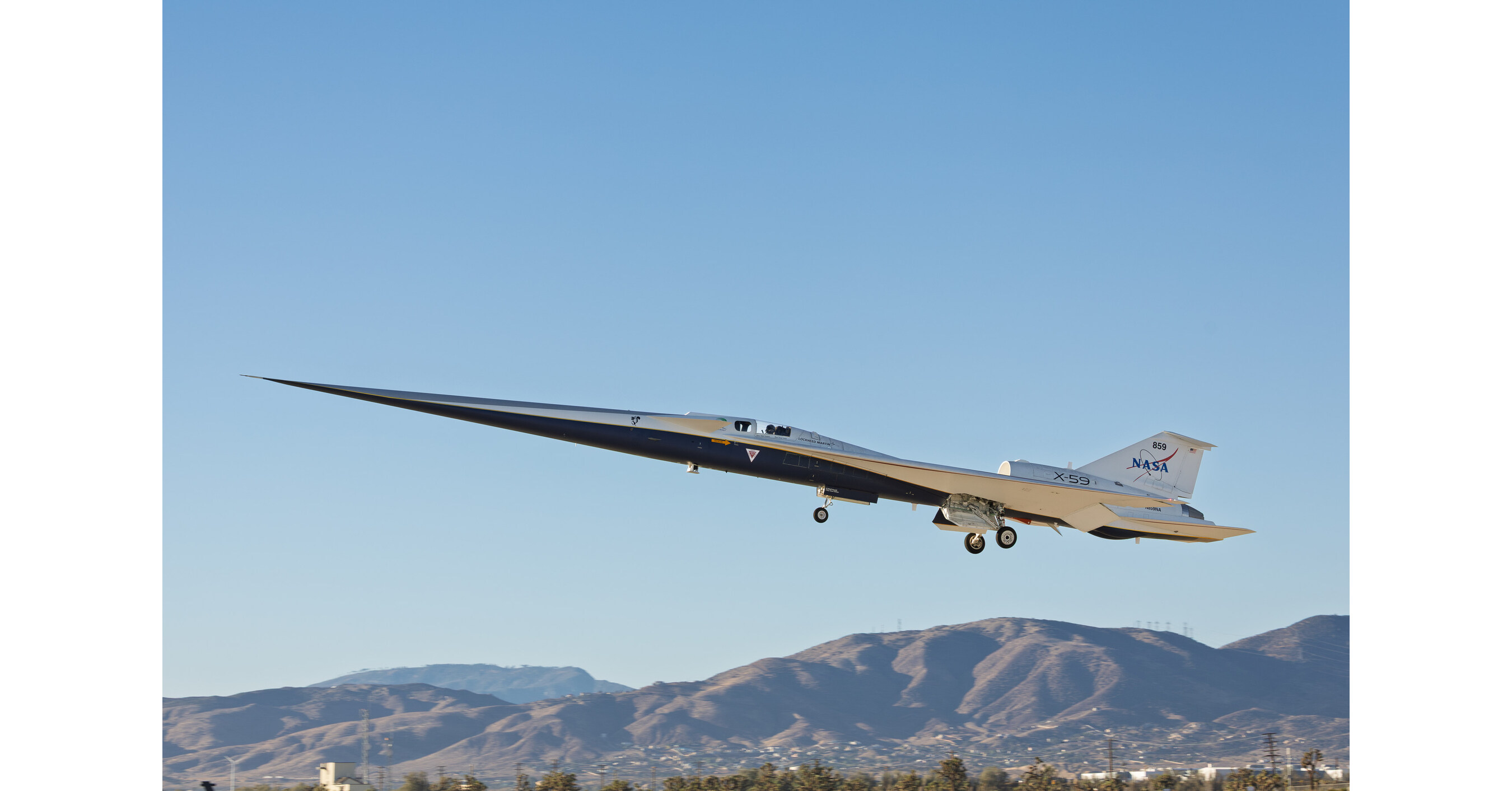
X-59 : NASA’s Quesst for Quiet Supersonic Flight - The X-59 aircraft builds on decades of supersonic flight research and is the centerpiece of NASA’s Quesst mission.

The vast amount of data collected over the years has given designers the tools they needed to craft the shape of the X-59, which will enable the aircraft to fly at supersonic speeds and reduce a loud sonic boom to a quieter “sonic thump.” Follow the X-59 team as they take on the exciting journey of building the X-59 and working toward quiet supersonic flight.
To view this content we will need your consent to set third party cookies.
For more detailed information, see our cookies page.
 
Last edited:
  • Tetszik
Reactions: fishbed
X-59 : NASA’s Quesst for Quiet Supersonic Flight - The X-59 aircraft builds on decades of supersonic flight research and is the centerpiece of NASA’s Quesst mission.

The vast amount of data collected over the years has given designers the tools they needed to craft the shape of the X-59, which will enable the aircraft to fly at supersonic speeds and reduce a loud sonic boom to a quieter “sonic thump.” Follow the X-59 team as they take on the exciting journey of building the X-59 and working toward quiet supersonic flight.
To view this content we will need your consent to set third party cookies.
For more detailed information, see our cookies page.

The X-59’s shape helps to transform the sonic boom into a quiet thump. Watch this Skunk Works® expert explain how...
To view this content we will need your consent to set third party cookies.
For more detailed information, see our cookies page.
 
  • Tetszik
Reactions: endre and fishbed

X-59 successfully completed its first flight...

To view this content we will need your consent to set third party cookies.
For more detailed information, see our cookies page.

To view this content we will need your consent to set third party cookies.
For more detailed information, see our cookies page.


X-59 successfully completed its first flight...

To view this content we will need your consent to set third party cookies.
For more detailed information, see our cookies page.

To view this content we will need your consent to set third party cookies.
For more detailed information, see our cookies page.


  • Tetszik
Reactions: endre and fishbed
  • Tetszik
Reactions: fishbed and endre
Nem tudom hogy mennyire lehet ezt a céget komolyan venni, mert úgy tűnik hogy az ötleteken kívül mást nem nagyon gyártott még ...

------

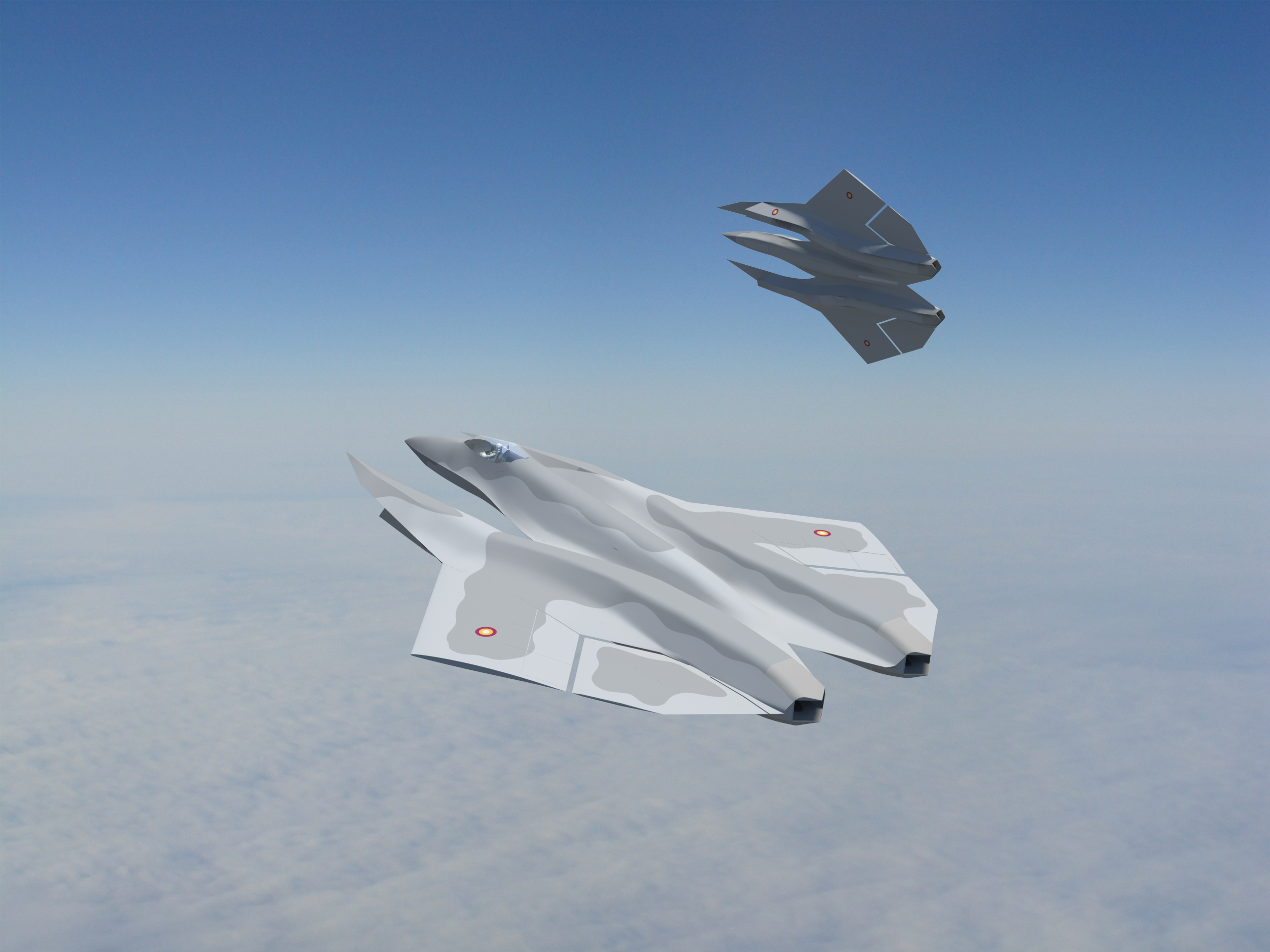
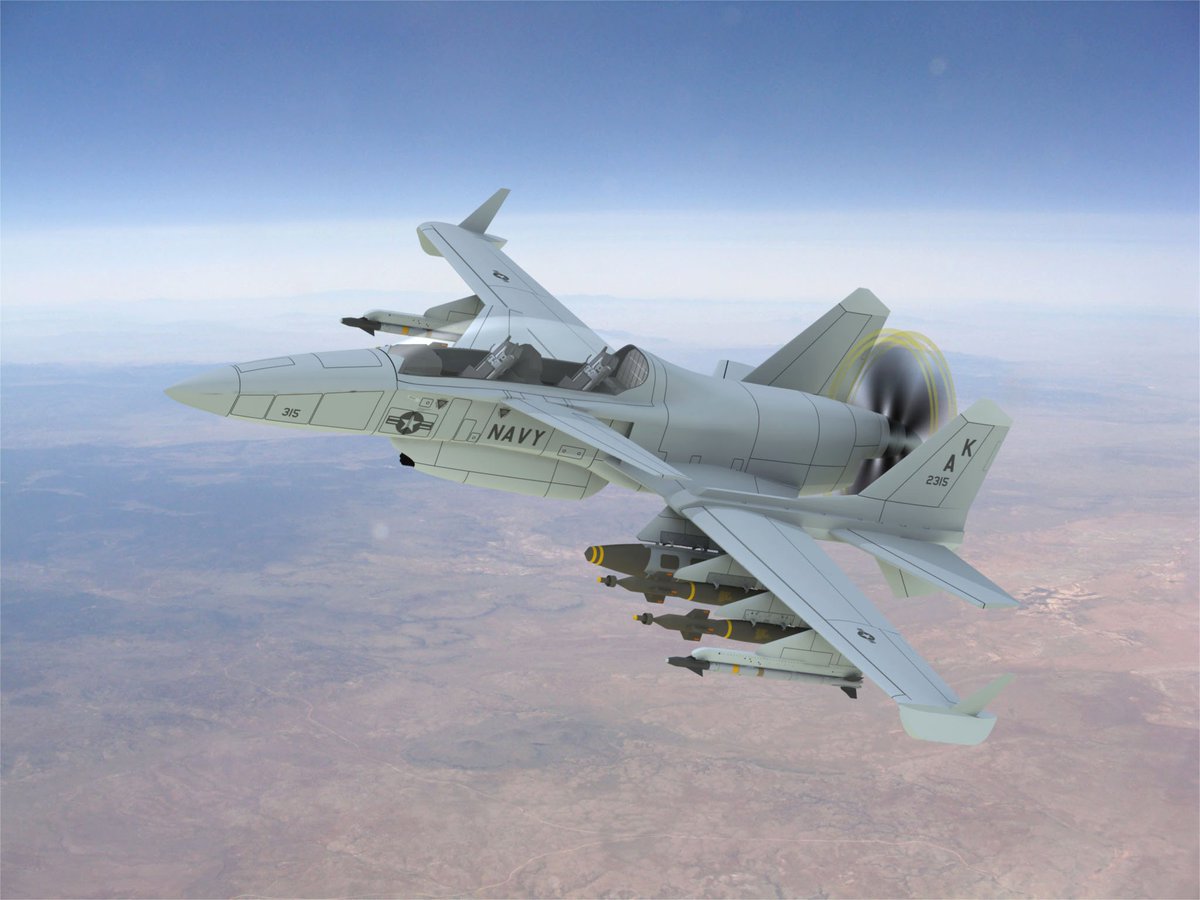
Stavatti Aerospace outlines SM-39 Razor concept as independent candidate for U.S. Navy’s NCAD F/A-XX fighter program...

SM-39-RAZOR-QATAR-111.jpg


Stavatti is proposing the SM-39 Razor as the Next Carrier Air Dominance (NCAD) Fighter for the US Navy.

To view this content we will need your consent to set third party cookies.
For more detailed information, see our cookies page.

Nagyon pöpecül kinéző futurisztikus géptervekkel álltak elő-de soha semmi nem épült meg belőlük
b18d13edff7f4d8522003ad4c61021ab.jpg
DKg3jk8UQAAlPJT.jpg
 
To view this content we will need your consent to set third party cookies.
For more detailed information, see our cookies page.

Remélem jó helyre raktam. Egy meg nem valósult projekt a 60-as évekből. A Lockheed CL-1201 nukleáris meghajtású repülőgép.

Lockheed CL-1201

In 1969 Lockheed produced one of the most unusual design studies in existence. The study sought to determine the potential uses and capabilities that the largest aircraft technically feasible using 1960’s era technology could offer the United States. The result was the Lockheed CL-1201, a nuclear-powered aircraft with an enormous 1,120 foot wingspan and a weight about fifteen times heavier than the next largest aircraft in existence. Although Lockheed’s concept is now widely known by aviation enthusiasts, Lockheed’s original study is nowhere to be found, having either been lost or destroyed. Currently, the best source of information about the CL-1201 is a paper published for the 1982 AIAA 2nd International Very Large Vehicles Conference which references several aspects of the original report.

The report outlines two variants of the CL-1201 studied. The first was an airborne aircraft carrier armed with 24 aircraft and long-range cruise missiles, and the second, a military transport capable of carrying up to 400 combat-equipped troops, 472 specialized crew, and over a thousand tons of mechanized equipment and supplies. Multiple CL-1201 aircraft would function in close coordination during combat use.

The project was more than just an exercise in conceptual engineering; it was a direct response to Cold War tensions of the time. The CL-1201 would offer the United States an unprecedented ability to respond to any crisis in a matter of hours, no matter the circumstances. Given the enormous engineering complexity and costs that would be involved, the CL-1201 never made it off the drawing board. But much of the design, and circumstances that prompted the study, are still a mystery.


To view this content we will need your consent to set third party cookies.
For more detailed information, see our cookies page.

 
  • Tetszik
Reactions: endre and fishbed
Kedvencem ez a kísérleti sorozat - is.

Pedig csak fordítóval tudtam követni, de alapvetően így - kissé populistán - is tetszett.

To view this content we will need your consent to set third party cookies.
For more detailed information, see our cookies page.