

Egyéb UAV/UCAV fejlesztésekkel kapcsolatos hírek
- Téma indítója hiryu
- Indítva
You are using an out of date browser. It may not display this or other websites correctly.
You should upgrade or use an alternative browser.
You should upgrade or use an alternative browser.


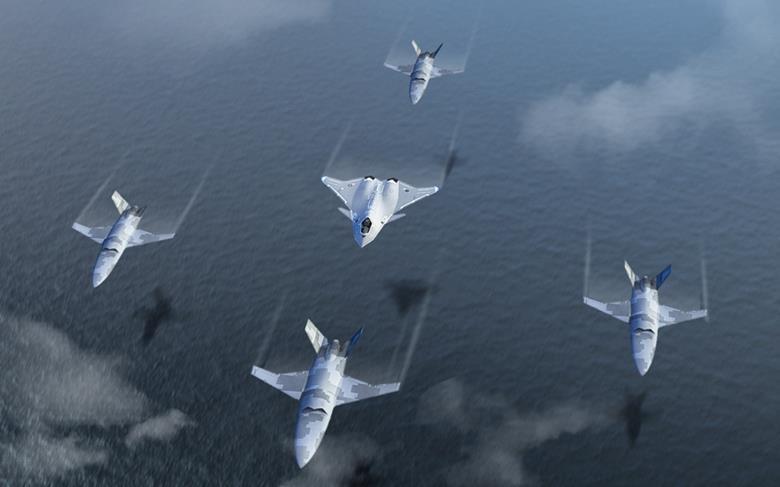
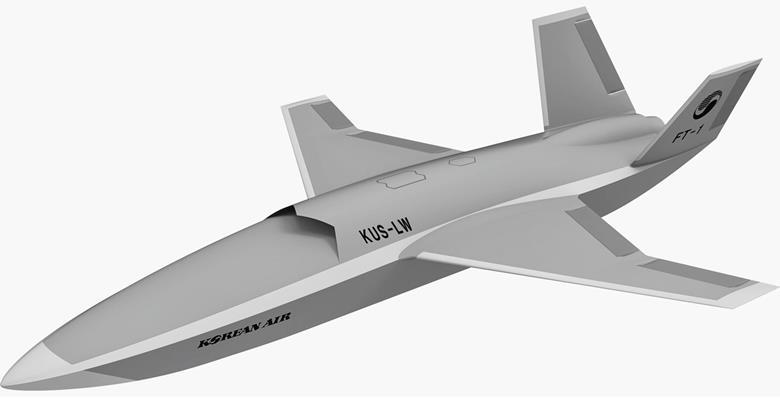
Seoul has named Korean Air as the “preferred bidder” in a programme to develop a low observable unmanned air vehicle (UAVs) that will work with manned aircraft in combat.
The programme falls under the auspices of an Agency for Defense Development (ADD) programme to develop new weapon systems. The work envisages the development of “stealth UAV squadrons.”
“The ADD began developing the UAV squadron in November last year and has completed the basic design,” says Korean.
“The agency plans to work on the detailed design with Korean Air. Korean Air will develop a manned-unmanned teaming system in which one manned aircraft and three to four stealth UAVs can carry out missions simultaneously.”
In addition to supporting manned aircraft, the UAVs will be able to perform missions on their own, such as surveillance electronic warfare, and even kinetic attacks.
In October last year, Korean Air secured a government contract from the Korea Institute for Defense Technology Planning and Advancement (KRIT) to develop a low observable UAV to advance South Korea’s stealth technology.
The project involves producing a UAV that aids the development of radar absorbing materials and a low observable shape that can be applied to future UAVs.
This followed previous work as part of the ADD’s stealth UAV programme from 2019 to August 2021.
The idea of so-called “loyal wingman” aircraft that can accompany manned assets into combat has emerged as a major theme in defence aerospace.
The US Air Force’s Skyborg programme envisages “attritable” unmanned aircraft working with manned fighters in a complex teaming environment. Unmanned aircraft such as the Kratos XQ-58 Valkyrie and Boeing Australia MQ-28 Ghost Bat have been developed to explore the concept.
Given South Korea’s strategic location in an increasingly tense region, large numbers of UAVs that could compliment manned assets have a clear appeal.


"a kamikaze UAV, melynek neve "Iti Qovan", akár 5 órán keresztül is a levegőben maradhat. A robbanóerejű eszköz gyalogság, különféle felszerelések és munkaerő ellen hatékony.
A szakember elmondja, hogy egy speciális mini optikai nyomkövető kamera került a készülékbe. A készülék speciális elektronikus védelmi rendszerrel rendelkezik, és ellenáll az elektronikus zavaroknak."
A szakember elmondja, hogy egy speciális mini optikai nyomkövető kamera került a készülékbe. A készülék speciális elektronikus védelmi rendszerrel rendelkezik, és ellenáll az elektronikus zavaroknak."

Na ezt nezzetek mit talaltam.
Nagyon komoly.
Bar lehet valaki szaki mar betette:

 link.springer.com
Nagyon komoly.
Bar lehet valaki szaki mar betette:
A rövid és közepes hatótávolságú merevszárnyú UAV-k teljes konfigurációs ellenállásbecslése és annak hatása a kezdeti méretoptimalizálásra
Full configuration drag estimation of short-to-medium range fixed-wing UAVs and its impact on initial sizing optimization - CEAS Aeronautical Journal
The paper presents the derivation of a new equivalent skin friction coefficient for estimating the parasitic drag of short-to-medium range fixed-wing unmanned aircraft. The new coefficient is derived from an aerodynamic analysis of ten different unmanned aircraft used for surveillance...
link.springer.com
Global Military UAV Market 2022–2032
Evolving military warfare strategies, tech advances to drive global military UAV market to $12 billion in 2032...
Evolving military warfare strategies, tech advances to drive global military UAV market to $12 billion in 2032...


A "DX Korea 2022" kiállítás képei ( https://www.facebook.com/ROKArmedForces ) :
Korea Aerospace Industries (KAI)
https://m.koreaaero.com/EN/Business/UAV.aspx
KAI Urban Air Mobility (UAM):


KAI Corps-level UAV:
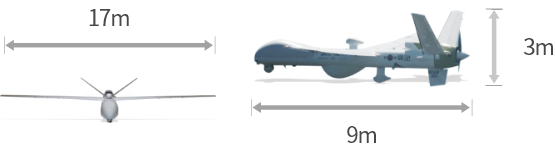
KAI RQ-101 Night Intruder:

Korea Aerospace Industries (KAI)
https://m.koreaaero.com/EN/Business/UAV.aspx
KAI Urban Air Mobility (UAM):
KAI Corps-level UAV:
KAI RQ-101 Night Intruder:


Nem vagyok biztos benne, hogy ez cikk hova illik be.
 www.defenseromania.ro
Elég kísérletinek tűnik még nekem. De ilyesmi kellene nekünk Gidránon (vagy Nomádon) és a náluk rendszeresítendő kámikázé típussal, amit mindenmáshova is fel lehet tenni.
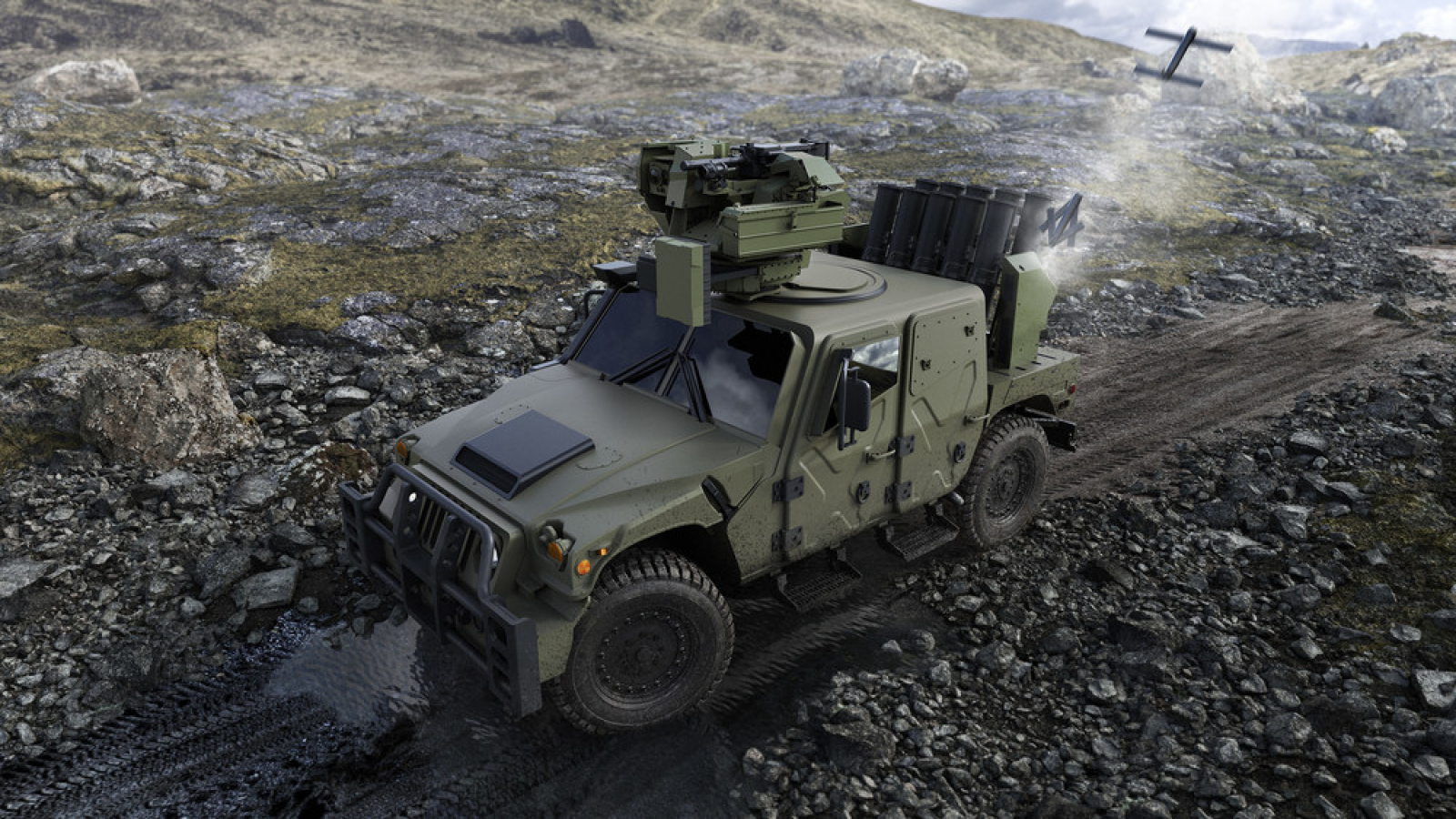
SUA prezintă noul blindat Humvee, capabil să lanseze zeci de drone kamikaze Switchblade 600 și 300 (Video/Foto)
Producătorul american AM General a prezentat noul Humvee Saber Blade Edition, cu drone kamikaze Switchblade integrate pe blindat.
www.defenseromania.ro
Elég kísérletinek tűnik még nekem. De ilyesmi kellene nekünk Gidránon (vagy Nomádon) és a náluk rendszeresítendő kámikázé típussal, amit mindenmáshova is fel lehet tenni.

Gondolom ezt is a rossz helyre teszem be...
Van ennek így vmi értelme? Tud minimálisan is stabil lenni célzáshoz?
Van ennek így vmi értelme? Tud minimálisan is stabil lenni célzáshoz?
Nem tudom, de az előző oldalon van egy hasonló francia próbálkozás is...Van ennek így vmi értelme? Tud minimálisan is stabil lenni célzáshoz?
P
Pogány
Guest
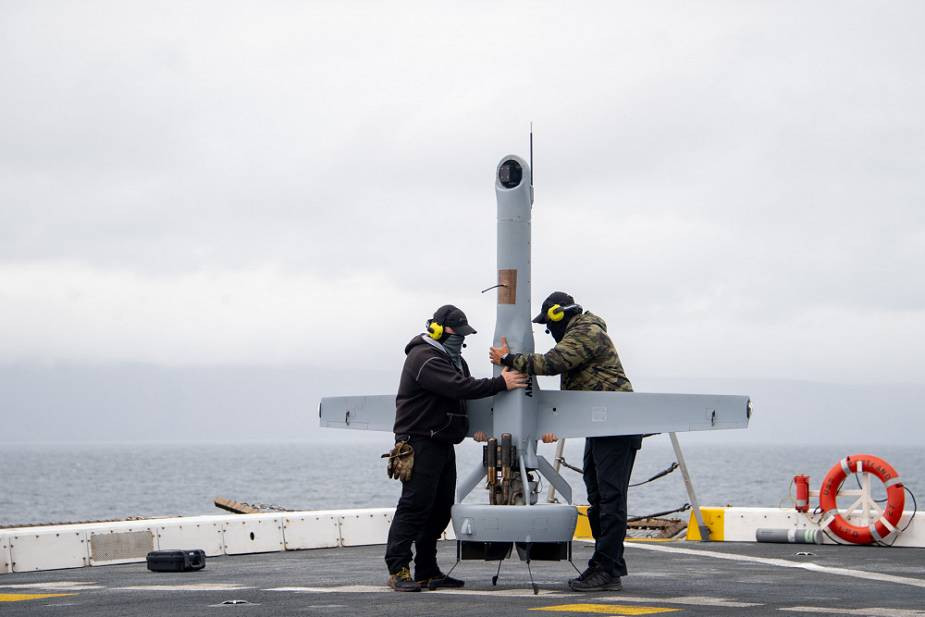
Tek Chile exhibirá los UAV de Teledyne Flir, Martin UAV y Quantum en Exponaval 2022
La aeronave puede ser montada rápidamente y el sistema puede ser transportado por un vehículo táctico o un helicóptero ligero.Quantum-SystemsQuantum-Systems GmbH es una empresa tecnológica a ...
 www.infodefensa.com